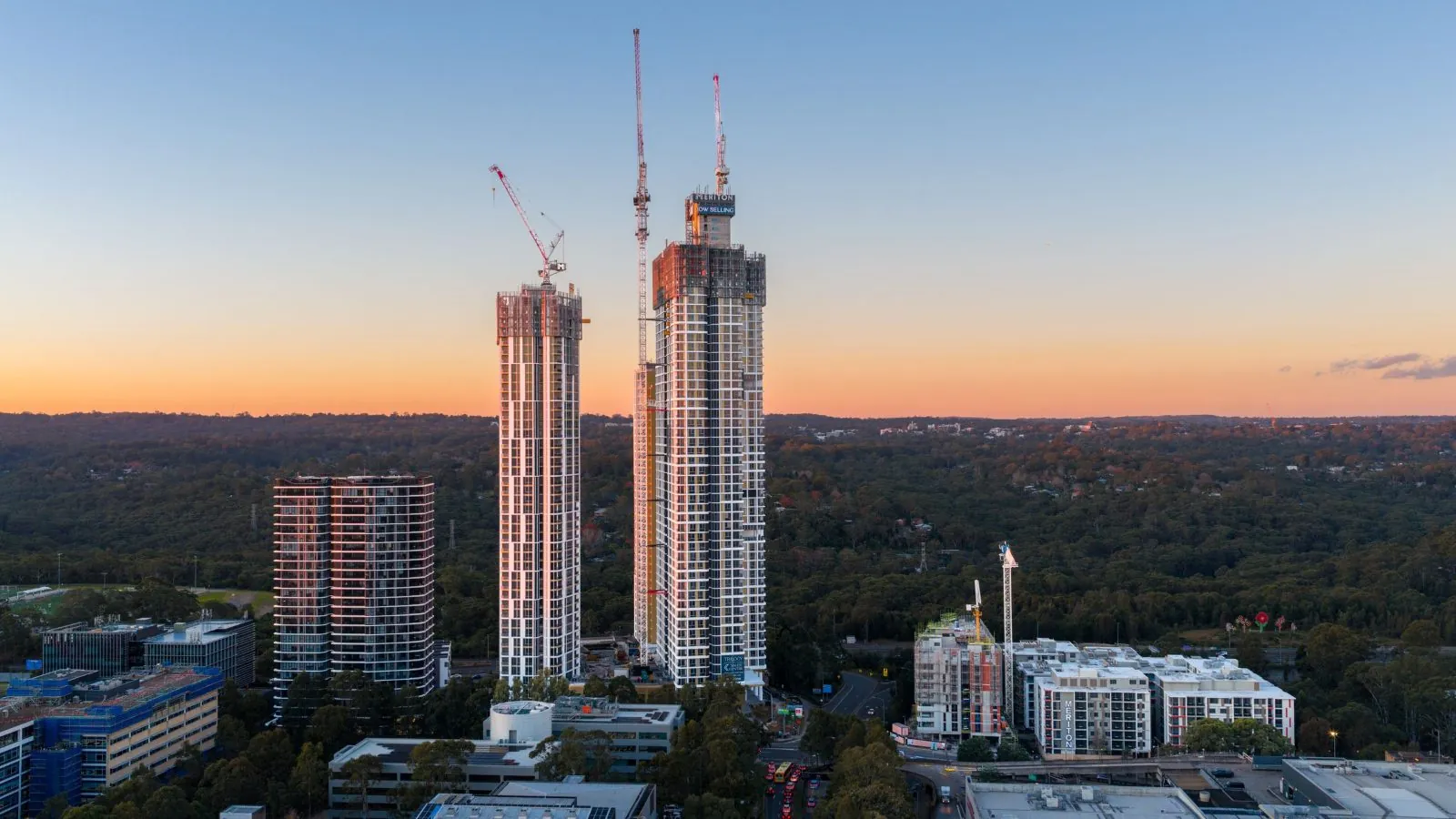
Construction Insurance Across Australia
Contract Works Insurance in Australia
Tell us about your construction project and request a tailored insurance quote.
Construction Insurance Across Australia
Tell us about your construction project and request a tailored insurance quote.
Construction projects involve financial risks from the moment work begins until the project is completed and handed over. A fire, storm, theft or accidental damage incident can interrupt construction, damage work already completed and create unexpected costs. Contract Works Insurance is designed to help protect insured construction work against specified risks while a project is underway. PCIC Insurance helps Australian builders, contractors, developers and owner-builders explore suitable cover for residential, commercial and other eligible construction projects.
Whether you are building a new home, renovating an existing property, managing several projects or working as a subcontractor, the insurance arrangement needs to reflect your actual responsibilities. Policy limits, exclusions, project values, construction methods and cover periods all matter. Jenny Hoang is an experienced contract works insurance broker who can help you work through these details. We are based in South Melbourne and work with clients throughout Australia. Contact PCIC Insurance to discuss your project and request a quote.
Contract works insurance, also called construction works insurance or construction all risks, covers physical loss or damage to building work while it is being built. Typical insured events include fire, storm, theft of materials, malicious damage and accidental damage on site. Flood, cyclone and other natural hazards are often included, but the wording and any conditions need checking for each policy.
A policy is usually built from a core section plus optional extensions. Depending on the insurer and the project, it can include:
Contract works insurance protects the works. It is not liability cover. Claims from third parties for injury or property damage fall under public liability insurance, which is often arranged in the same package. Most builders need both, and many contracts ask for evidence of both before work starts.
PCIC Insurance is an Australian commercial insurance brokerage based at 303 Moray Street, South Melbourne VIC 3205. We work with people involved in construction who need a practical explanation of insurance rather than complicated language. Our approach starts with understanding the work being undertaken, the parties involved and the risks that need consideration.
Jenny Hoang brings experience in contract works insurance to discussions with builders, contractors, developers and owner-builders. We recognise that no two building projects are identical. A new residential build in Melbourne, an extension in Brisbane and a commercial refurbishment in Perth can involve different exposures and insurance requirements. Our role is to help you understand available options, consider policy conditions and make an informed decision before work begins.
More about us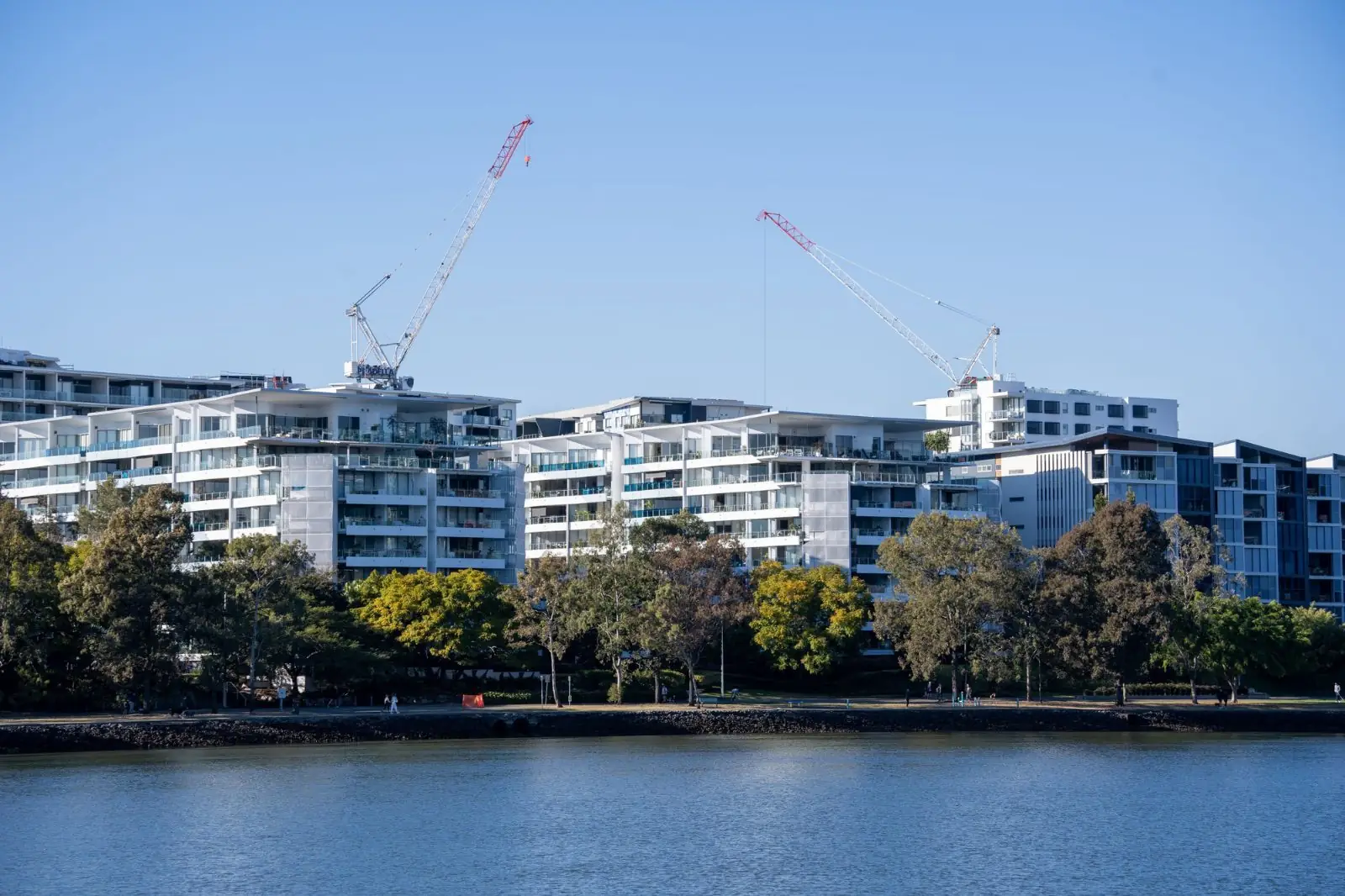
Contract Works Insurance is our primary focus, supported by related construction insurance options for different projects and business needs. We can assist with Public Liability Insurance for Builders, Plant and Equipment Insurance, Construction Works Insurance, Owner Builder Insurance, Annual Contract Works Insurance , Single Project Contract Works Insurance and Renovation Contract Works Insurance. Some policies are arranged for one defined project, while others may be structured around an ongoing program of work. Public liability and plant insurance address different exposures from damage to the construction works themselves. Understanding these differences is important because holding one policy does not automatically mean every construction risk is covered. We can discuss the options relevant to your operations, including policy limits, insured parties, construction activities and the duration of cover.
Liability cover for builders facing claims involving third-party injury or property damage.
Learn more →Explore insurance for eligible construction machinery, mobile plant and equipment used on projects.
Learn more →Consider project insurance for eligible new builds, structural alterations, extensions and commercial construction.
Learn more →Insurance options for eligible owner-builders managing their own residential construction or renovation projects.
Learn more →Consider annual insurance arrangements for eligible builders and contractors managing multiple construction projects.
Learn more →Arrange insurance consideration around one defined construction project, location and building period.
Learn more →Cover for extensions and renovations, including the existing building where it needs to be insured.
Learn more →PCIC Insurance services clients throughout Australia, including Victoria, New South Wales, Queensland, Western Australia, South Australia, Tasmania, the Australian Capital Territory and the Northern Territory. Our work extends across metropolitan areas, regional centres and eligible projects in more remote locations. We understand that geography can influence construction insurance considerations, including severe weather, bushfire exposure, flood history, access to sites and the types of building work commonly undertaken.
We assist clients in Melbourne, Sydney, Brisbane, Perth, Adelaide, the Gold Coast, Canberra, the Sunshine Coast, Newcastle, Wollongong, Geelong, Hobart, Darwin, Cairns, Townsville and surrounding communities. You do not need to be based near our South Melbourne office to enquire about cover. We can discuss your construction activities and insurance requirements by phone or email. Call 0468 034 450 to speak with us about a project anywhere in Australia.
See all service areas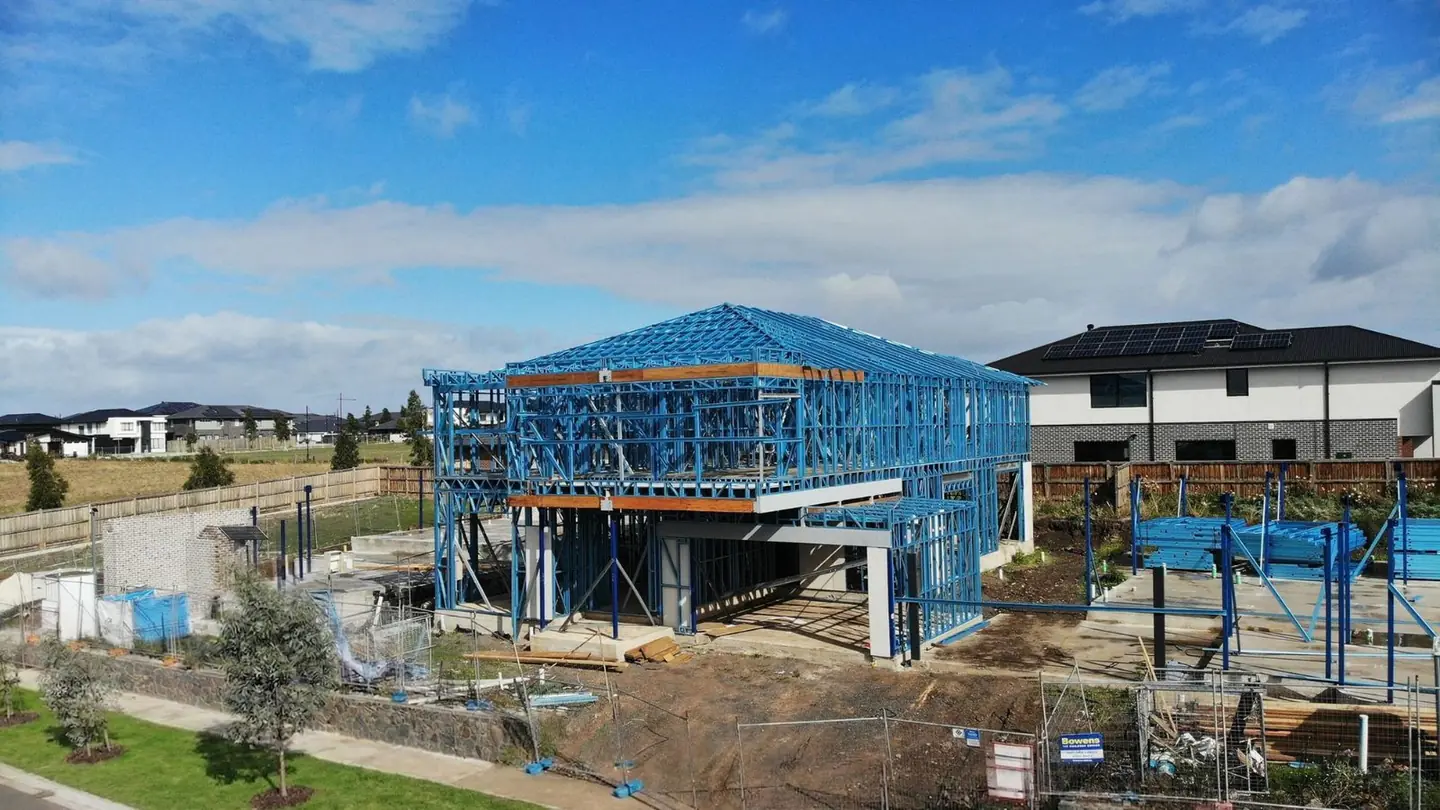
We concentrate on understanding the construction work, project responsibilities and practical risks before discussing available insurance arrangements.
Jenny Hoang is an experienced contract works insurance broker who helps clients work through policy options and questions about construction cover.
Our South Melbourne base supports enquiries from builders, contractors, developers and owner-builders throughout Australia.
We explain important terms, exclusions, limits and conditions so you can better understand what a proposed policy may and may not cover.
We consider the declared work, construction values, project duration, location and parties involved rather than assuming every project needs the same arrangement.
Construction plans can change. We encourage clients to raise material changes during the policy period so any resulting insurance implications can be considered.
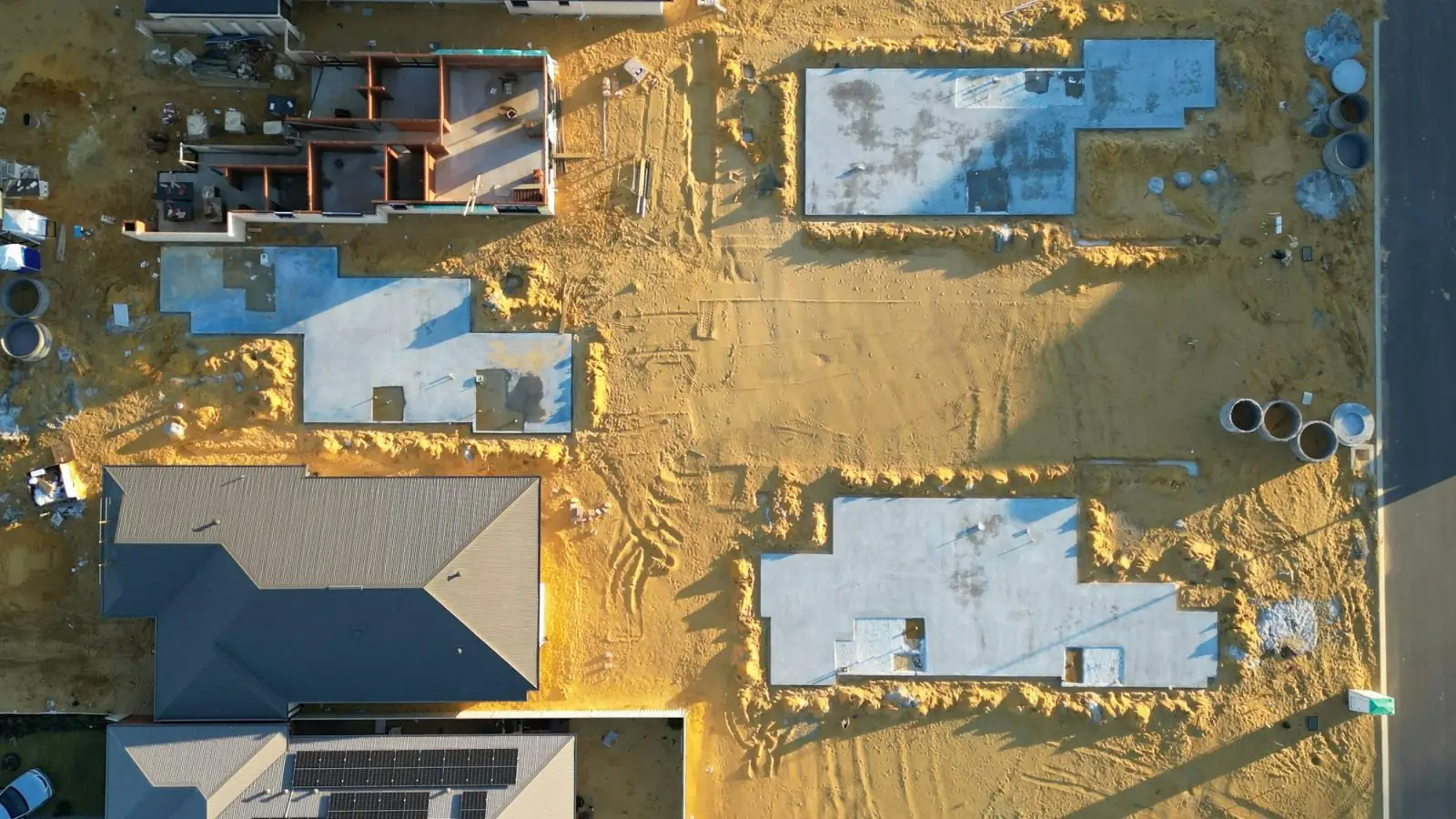
Contract Works Insurance should be considered when construction activities expose a project to potential physical damage before completion. The need can arise well before the first major building stage. Site preparation, demolition connected with a project, delivery of materials and early structural work may all introduce risks that deserve attention. The appropriate starting point for cover depends on the policy conditions and the timing of the insured activities.
For a residential builder, the insurance decision often forms part of preparing to commence work under a building contract. The contract may place responsibility for insuring the works on a particular party. It is worth checking those requirements before accepting the assumption that somebody else has arranged adequate protection.
Owner-builders can face uncertainty because they may be managing trades directly without a head builder arranging project insurance. An owner-builder should identify who is responsible for the site, materials, works in progress and third-party liability. Existing home insurance should not be assumed to protect major construction activities. Insurer consent or a separate policy may be necessary.
Renovations and extensions also deserve particular attention. When new work connects to an existing home or commercial building, damage may affect both the construction works and the original structure. Insurance for the new works does not automatically provide the same protection for the existing building.
The useful question is not simply whether insurance is required. It is who has the responsibility, what property is exposed, when the exposure begins and which policy responds. PCIC Insurance can help you examine those questions before you commit to a particular arrangement.
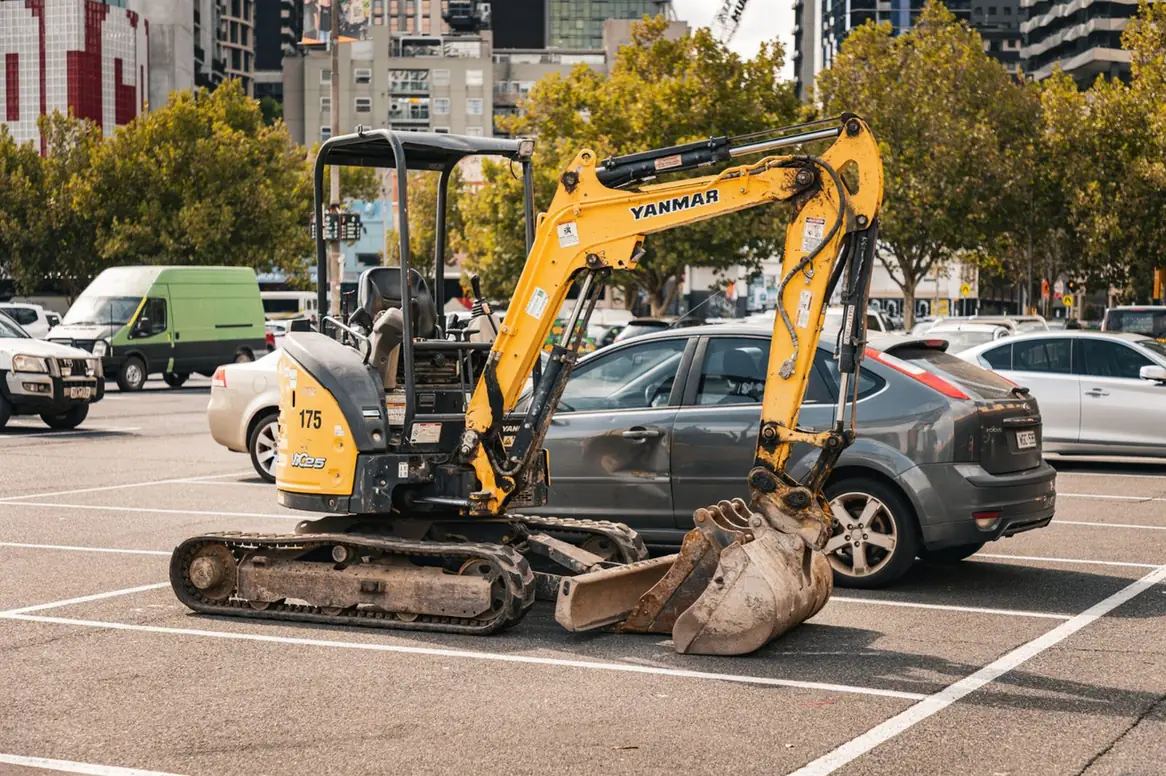
Australia's construction environment varies considerably between states and regions. A building site in suburban Melbourne can encounter different conditions from a development in northern Queensland or a regional project in Western Australia. Insurance arrangements should be considered in the context of the actual site rather than assuming one geographic risk profile applies everywhere.
In northern Australia, wet-season rainfall, tropical storms and cyclones can influence construction planning. In parts of Queensland and New South Wales, heavy rainfall and flood exposure are significant considerations. Wind and storm damage can affect roofs, temporary protection, scaffolding, loose materials and partially enclosed buildings. Whether a particular event or item is insured depends on the policy wording and any applicable exclusions.
Victoria, South Australia, Tasmania and other regions contain areas exposed to bushfire and severe weather. Projects close to vegetation, on rural land or near a bushland interface may need additional information about site conditions. Insurers can consider the surrounding environment alongside the construction type and value.
When arranging cover, provide the correct site address, building description and relevant information about the location. If site circumstances change, ask whether the insurer needs to be notified. PCIC Insurance works with clients across Australia and can help identify the location-related questions that deserve attention during the insurance discussion.
Most construction contracts say who must insure the works, for how much and for how long. Before you arrange cover, read the insurance clause in your contract, or send it to us and we will read it with you.
The Australian Standard general conditions of contract are widely used on commercial and government work. AS 4000 is the general conditions for construct-only contracts. AS 2124 is its older predecessor and still turns up in some contracts. AS 4902 covers design and construct. At a general level, these contracts commonly require the contractor to insure the works in the joint names of the principal and the contractor, for full reinstatement value plus allowances such as demolition and professional fees, and to keep cover in place until practical completion. The exact clause, and any amendments the principal has made, decide what you actually need.
Residential building contracts and subcontracts have their own insurance clauses, and principals often amend standard wording. Points worth checking:
Jenny can compare the clause with the policy wording before you sign or start work. This is general information, not legal advice. Your lawyer should advise on the contract itself.
One of the first decisions for a construction business is whether to arrange insurance for an individual project or investigate an annual arrangement covering eligible work. Both approaches have a place, and neither should be chosen solely because it appears more convenient.
Single Project Contract Works Insurance is structured around a nominated construction job. The application generally focuses on the particular site, declared work, project value and expected construction period. This can suit a builder undertaking an occasional project, a developer arranging a distinct development or an owner-builder working on a specified home. The policy should be reviewed for its commencement, completion and maintenance provisions.
Annual Contract Works Insurance may be suitable for builders and contractors undertaking multiple jobs over a policy period. An annual arrangement can provide a framework for eligible projects that fall within the policy's stated business activities, values, locations and other conditions. However, annual cover does not mean every project is automatically included without limitation.
Some arrangements require projects to be declared or reported. Others apply defined limits or restrictions to particular categories of work. Projects outside the policy's accepted scope may require separate approval, an endorsement or a different policy. The insured should understand these requirements and maintain appropriate project records.
For a growing building business, the nature of upcoming work matters. A contractor moving from smaller residential renovations to larger commercial construction should not assume an existing annual policy remains suitable. Contract values, building heights, construction materials and the involvement of subcontractors may change the insurance assessment.
PCIC Insurance can discuss how the two arrangements differ and what information is needed to consider each one. Our aim is to help you understand the insurance framework before relying on it. Speak with us about your current projects and the type of work you expect to undertake.
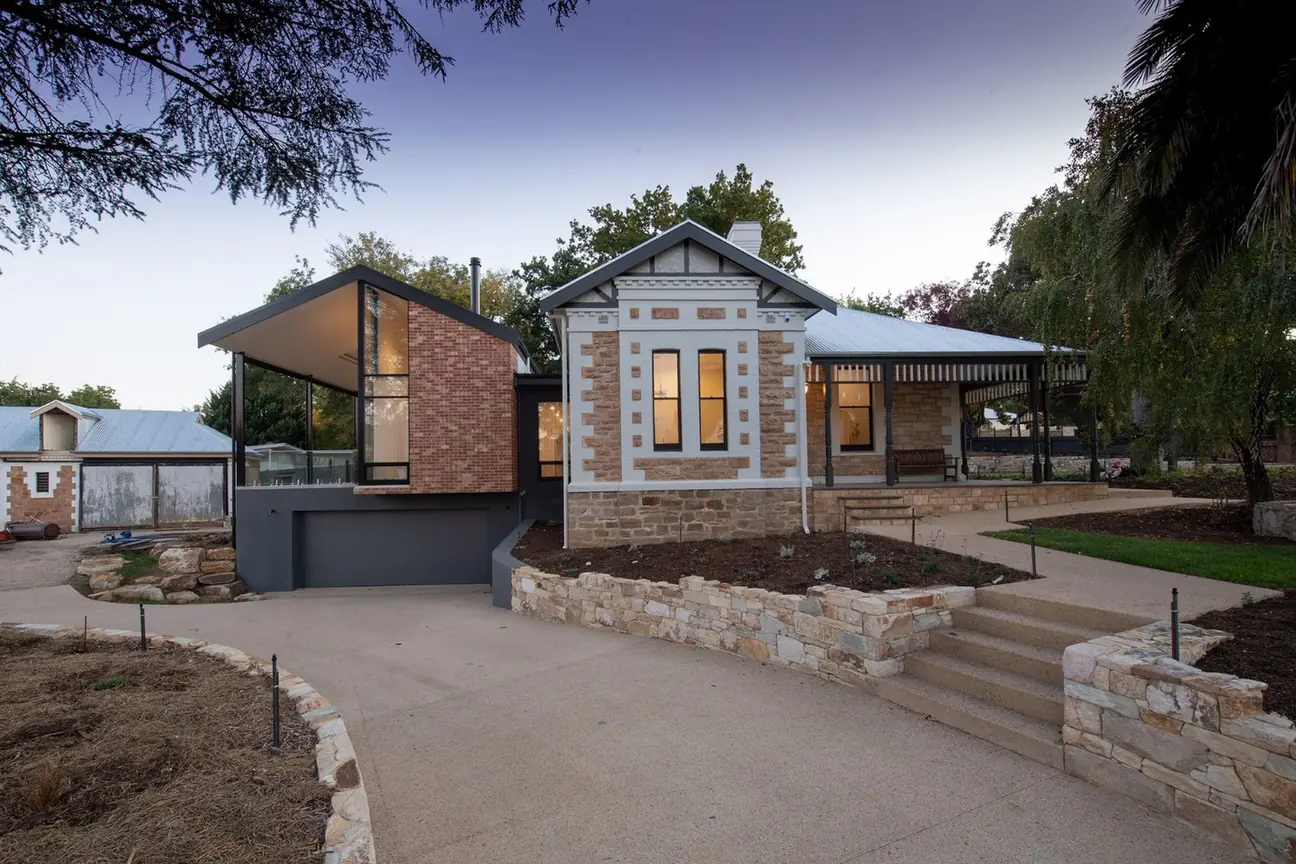
Having these details ready makes the quote faster and more accurate:
Plans or a scope of works help with larger or unusual projects. If something is not known yet, tell us. A clear gap is better than a guess, because the insurer prices the risk you describe.
Every policy has exclusions. The detail varies between insurers, but these come up often:
On larger projects, defects cover is often described using London Engineering Group (LEG) clauses. In broad terms, LEG 1 is the narrowest and excludes loss caused by a defect. LEG 2 covers resulting damage but not the cost of putting right the defective part. LEG 3 is wider again, and excludes only the cost of improving the original design, materials or workmanship. Which clause is offered depends on the insurer and the project. We will tell you which one applies to your quote and what it means in practice.
Choosing construction insurance involves more than obtaining a quote and checking the premium. The central question is whether the proposed policy is suitable for the work and responsibilities being insured. A useful comparison looks at coverage, exclusions, limits, excesses, policy conditions and the support available when questions arise.
Next, consider the insured parties. Builders, principals, developers and other interested parties may be identified differently in construction contracts. An insurance broker should be able to explain how the proposed wording deals with the relevant interests and where further clarification from an insurer may be needed.
At PCIC Insurance, we favour straightforward conversations about the risks that matter to the client. Jenny Hoang can help you consider contract works insurance options and explain the practical questions worth asking. Our South Melbourne office supports clients across Australia, and we welcome enquiries from both established construction businesses and people arranging cover for a defined project.
If you are reviewing a new policy, approaching renewal or preparing for upcoming construction work, contact us with the details. A clear understanding of the project is the starting point for a useful insurance discussion.
Many specialist construction underwriting agencies only deal through brokers, so using a broker gives you access to insurers you cannot approach directly. Here is how a quote works with PCIC Insurance:
Jenny is an experienced contract works insurance broker, and you deal with her directly from first call to renewal.
Tell us about the project and Jenny Hoang will come back to you with questions or terms. Prefer to talk? Call 0468 034 450, Monday to Friday, 9:00am to 5:00pm.
Contract Works Insurance is designed to protect insured building and construction works against certain physical loss or damage during the policy period. Depending on the wording, it may address specified events involving the works, materials and associated property. The actual protection depends on the insurer, policy conditions and declared project.
We welcome enquiries about residential, commercial and other eligible construction projects. Insurer acceptance depends on factors such as the type of work, construction value, building materials, location and relevant activities. We can discuss the project details and investigate available insurance options.
The involvement of subcontractors can affect contractual responsibilities and the insurance arrangements needed for a project. It is important to check who is insured, which activities are covered and whether subcontractors maintain their own required policies. A head contractor's policy should not be assumed to cover every subcontractor exposure.
Contact us with a description of the work, project location, estimated construction dates and relevant contract details. We may need more information about construction methods, project values and the parties involved. Jenny Hoang can help explain the information required to consider available cover.
It is harder. Insurers usually want cover in place before work begins, and some will not quote a project that is underway. If you have already started, call us as soon as possible so we can see what is available.
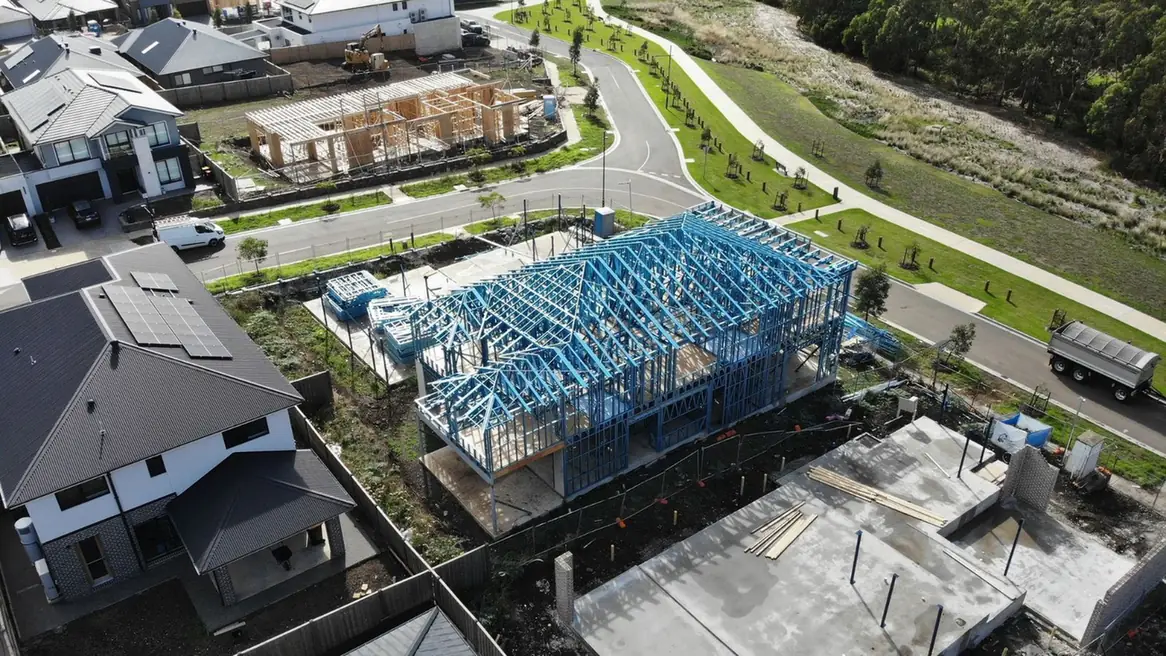
Planning a build, reviewing your existing cover or preparing for a new contract? Speak with Jenny Hoang at PCIC Insurance. Email jenny@pcicinsurance.com.au or call 0468 034 450.
No obligation to proceed. Monday to Friday, 9:00am to 5:00pm.