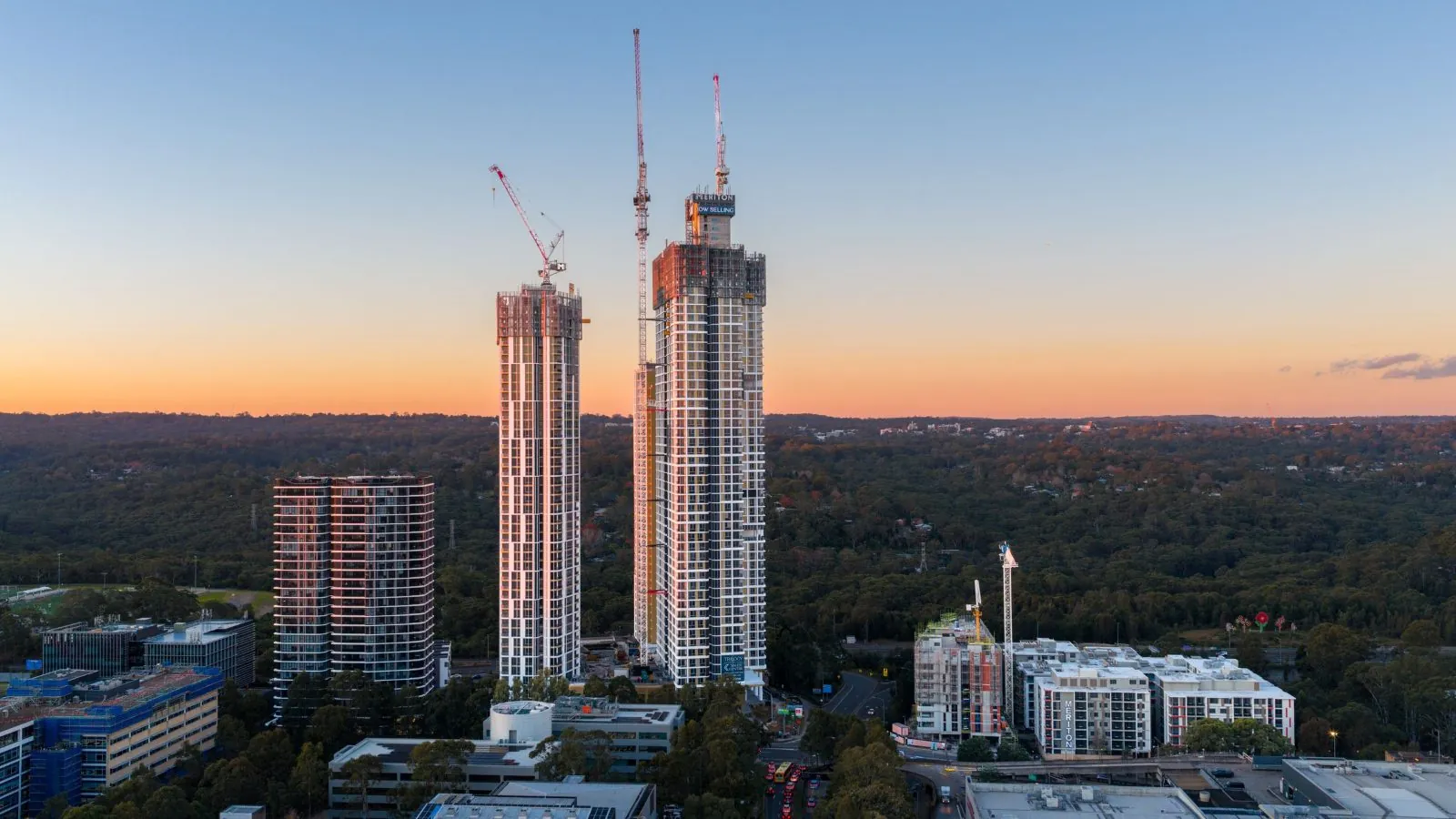
Insurance for Active Building Projects
Construction Works Insurance Australia
Review insurance for your upcoming construction work.
Insurance for Active Building Projects
Review insurance for your upcoming construction work.
Construction Works Insurance is a term commonly used when discussing insurance for building work in progress. It often refers to the same broad class of protection as Contract Works Insurance, although the scope, definitions and conditions vary by policy. The important issue is whether the proposed insurance matches the actual construction activities and property being insured.
PCIC Insurance helps construction clients consider these details for new buildings, alterations, extensions and eligible commercial work. A project can involve multiple contractors, different stages of completion and materials that move between suppliers and sites. Understanding the policy treatment of those activities can help avoid incorrect assumptions. Speak with us about your construction plans and available cover.
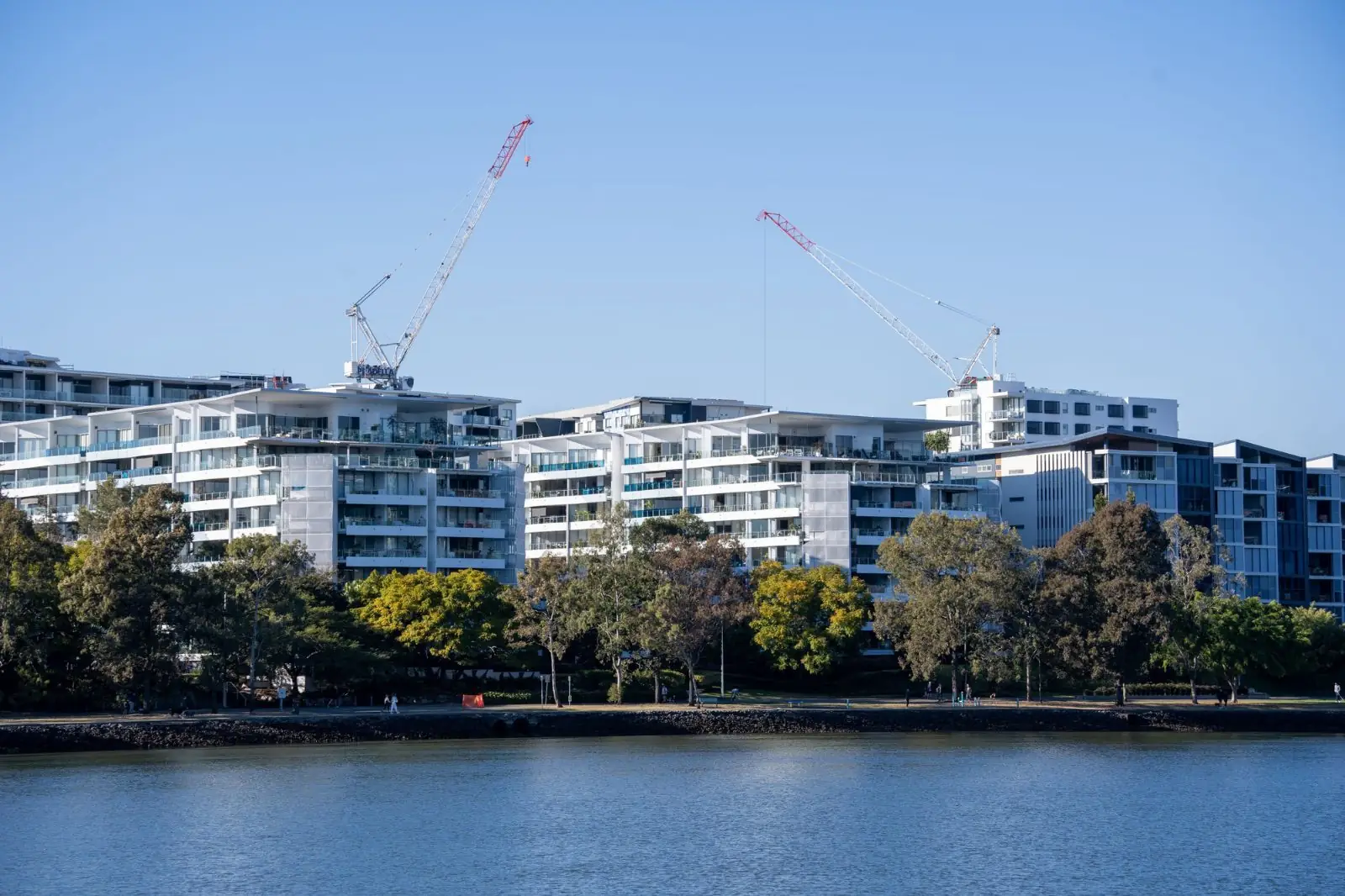
A building project changes as work advances from foundations and structural construction through services, finishing work and completion. The exposed property, materials and activities also change. Insurance should be considered against the full declared scope of work, not only the most visible building stage. Different wording can apply to renovation work, occupied premises, testing and completed sections.
New homes and residential developments can involve staged deliveries, structural work and specialist trades. The insured value and work description should reflect the proposed build. Contractors and principals may have different obligations under the building agreement. Relevant policy conditions should be considered before the project begins.
Commercial construction can involve complex building services, work within operating premises and multiple contractual parties. Insurance may need to address the declared physical works and relevant interfaces with existing property. Testing, commissioning and any restrictions relating to building occupancy should be examined.
Adding rooms, altering structures or connecting new construction to an existing building introduces exposures beyond those of a vacant block. Damage to existing property may be subject to separate insurance treatment. We encourage clients to clarify the boundaries between insured new work and existing assets.
Materials may be vulnerable before permanent installation, while partially completed structures may lack final weatherproofing or security. Policy conditions can depend on storage, transport and the stage of construction. Builders should consider these exposures when discussing cover and maintaining site protection measures.
We discuss the work from commencement through completion so relevant changes in construction exposure are not overlooked.
We look at whether the declared project description reflects alterations, additions and specialised construction activities.
We explain relevant differences between proposed terms without assuming similar policy names mean identical protection.
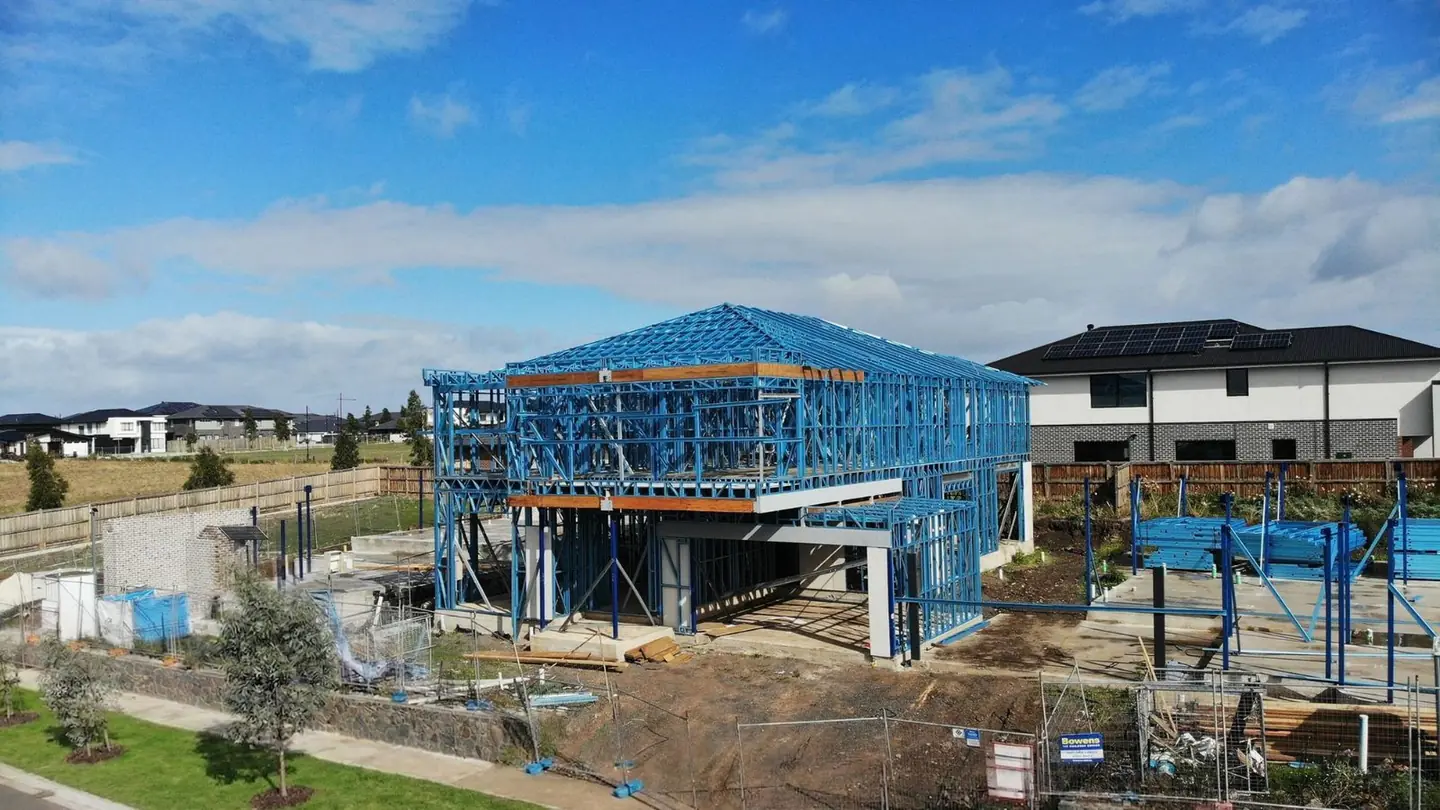
Construction works insurance and contract works insurance are two names for the same class of cover. You will also see it called construction all risks or contractors all risks. Whatever the label, the core of the policy is the same: physical loss or damage to the works and materials while the project is being built.
The name matters less than the wording. Two policies with the same title can treat existing structures, materials off site, defects and natural hazards quite differently. When you compare quotes, compare the sum insured, the insured parties, the excess, the period of cover and the exclusions, not just the policy name.
Head contracts often specify what the policy must include. Contracts based on the Australian Standard general conditions, such as AS 4000 for construct-only work and AS 4902 for design and construct, commonly require the works to be insured in joint names for reinstatement value until practical completion. Your contract may amend those clauses, so send it through with your enquiry. For building standards and technical requirements, the National Construction Code is the national reference.
If you are unsure which name your principal or lender is asking for, ask us. In most cases they want the same thing: evidence that the works are insured for the right amount, for the right parties, for the full build.
Tell us about the project and Jenny Hoang will come back to you with questions or terms. Prefer to talk? Call 0468 034 450, Monday to Friday, 9:00am to 5:00pm.
Review construction insurance requirements with an experienced broker. Contact PCIC Insurance on 0468 034 450.
No obligation to proceed. Monday to Friday, 9:00am to 5:00pm.
Provide the location, project type, contract value, construction methods and expected dates.
Consider new works, existing structures, temporary works, stored materials and other relevant property.
Review available insurer terms for the specified work, including limits, excesses, exclusions and applicable conditions.
Material alterations to the scope, construction period or project value should be raised for consideration.
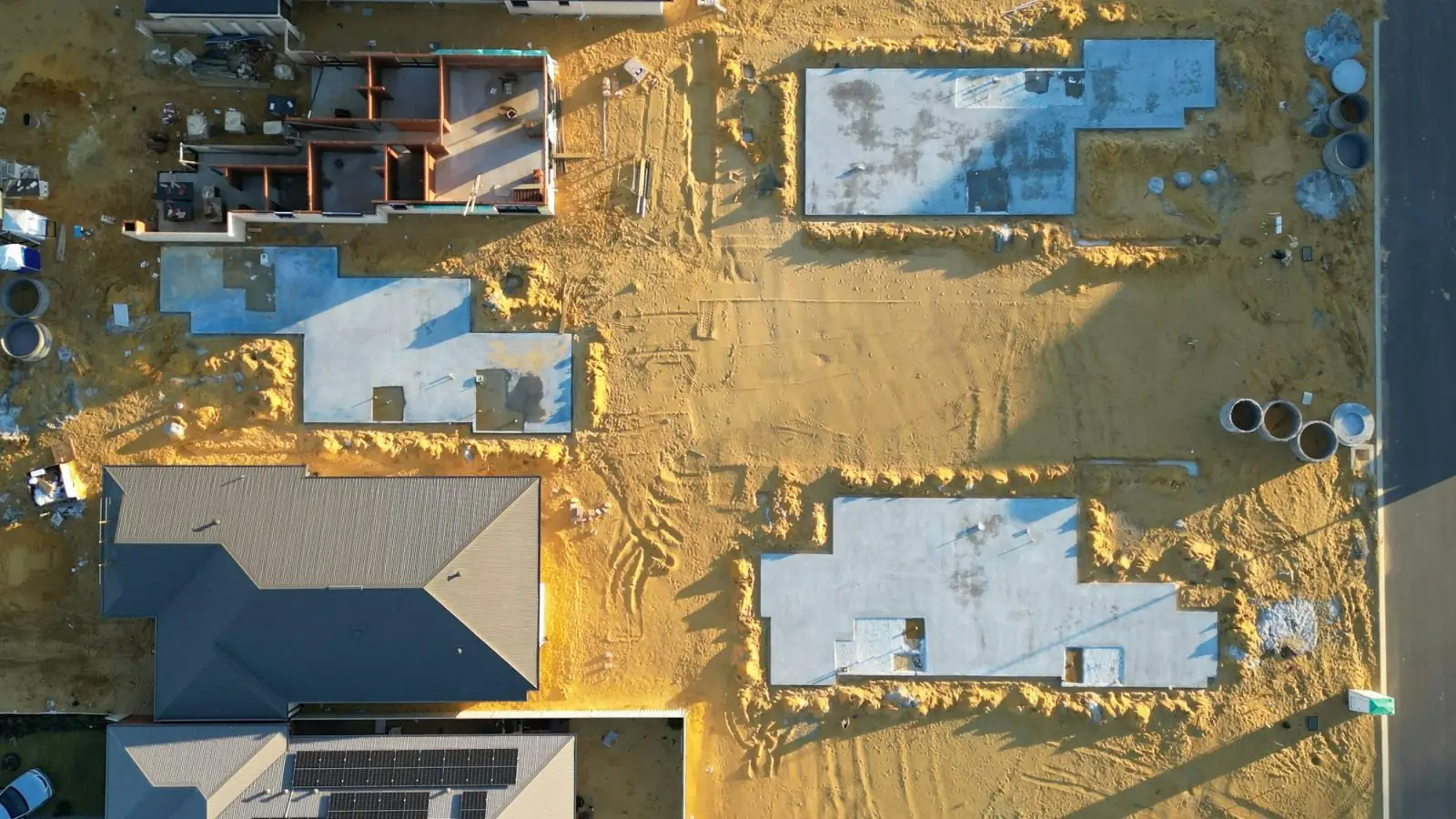
The terms are often used interchangeably in the Australian market. However, insurers may offer different policy structures and use different definitions. The actual wording matters more than the general product name.
Eligible fit-out projects may be considered, subject to the insurer's requirements. Important details include the existing premises, occupancy, scope of work and building services involved. The proposed policy should clearly identify the insured activities.
Describe the existing building, proposed structural work, demolition or excavation and any other material activities. Insurers may request plans or additional technical information. Accurate disclosure helps the insurer assess the proposed risk and terms.